Post-Operative Rehabilitation
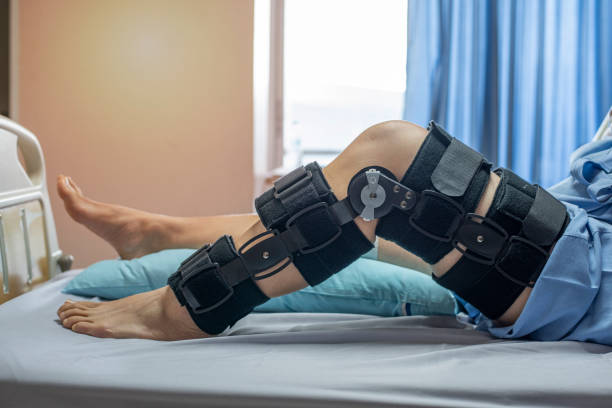
Post-Operative Rehabilitation at Lifeline Physiotherapy
Our physiotherapists provide individualized post-operative rehabilitation to support recovery following musculoskeletal surgery. Treatment may focus on pain and swelling management, mobility, strength, function and a gradual return to everyday activities, depending on your surgical procedure and individual needs.
Understanding Post-Operative Rehabilitation
It involves a structured and personalized program designed to help you recover from surgery. This includes managing pain, reducing swelling, restoring movement, and strengthening the affected area. The rehabilitation process is essential for optimizing surgical outcomes and preventing complications.
Common MSK Surgical Procedures
Our physiotherapists are experienced in managing rehabilitation for a variety of MSK surgical procedures, including:
- Total Knee Replacement (TKR)
- Total Hip Replacement (THR)
- Anterior Cruciate Ligament (ACL) Reconstruction
- Rotator Cuff Repair
- Spinal Fusion
- Arthroscopic Meniscectomy
- Shoulder Stabilization Surgery
- Achilles Tendon Repair
Early Intervention and Comprehensive Assessment
Early intervention is key to a successful recovery. Our physiotherapists will conduct a thorough assessment to understand your specific surgical procedure, current physical status, and rehabilitation goals. This assessment helps us create a personalized rehabilitation plan that addresses your unique needs and promotes optimal healing.
Personalized Treatment Plans
Based on the assessment, we develop a tailored treatment plan that may include:
- Pain Management: Techniques such as manual therapy, ice/heat application, and electrotherapy to manage pain and reduce inflammation.
- Mobility Exercises: Gentle exercises to restore movement and flexibility in the affected area.
- Strengthening Exercises: Progressive exercises to rebuild muscle strength and support joint stability.
- Functional Training: Activities to help you return to your daily activities and specific functional tasks.
- Education and Advice: Guidance on activity modifications, lifestyle changes, and techniques to prevent future injuries.
When Should You See a Physiotherapist?
- Following Surgery: At the time recommended by your surgeon or healthcare team, to support an appropriate rehabilitation programmed.
- Persistent Pain or Swelling: If you experience ongoing pain or swelling that affects your recovery.
- Limited Mobility: If you have difficulty moving the operated area or performing normal tasks.
- Strength Deficits: If you notice weakness in the muscles around the surgical site.
- Functional Limitations: If you are unable to return to your daily activities or work.
Our Goal
Our goal is to support you in achieving the best possible functional recovery following surgery. Your rehabilitation plan will be tailored to your surgical procedure, current abilities, rehabilitation goals and guidance from your surgical or healthcare team.